Why everyday habits are the foundation of cardio support
When people talk about “cardio support”, they usually mean something simple: feeling active, energetic and comfortable moving through an ordinary day. That everyday feeling is built less on any single product and more on the ordinary routine underneath it — how much you move, what you tend to eat, how well you sleep, and how you unwind. None of these is dramatic on its own. Together, over weeks and months, they are the biggest lever most people have over how they feel.
The catch is that these habits are quiet. A routine drifts a little — a bit less walking, a few more takeaway meals, later nights — and because nothing changes overnight, it is easy to miss. The good news is that the same quietness works in your favour: small, repeatable habits are exactly the ones that add up, and they are the ones a self-check like this is meant to bring back into view.
The building blocks of a heart-healthy routine
No single habit is a magic switch, and everyone's starting point is different. Still, these are the pieces that come up again and again when researchers and clinicians describe a routine that supports general cardiovascular wellbeing:
- Moving your body most days — a brisk walk counts, and consistency matters more than intensity.
- Breaking up long stretches of sitting with a stand or a short stroll.
- Eating mostly whole foods, with plenty of vegetables, fruit, legumes, nuts and fish.
- Going easy on ultra-processed and deep-fried food and sugary drinks.
- Staying hydrated through the day.
- Getting enough good-quality sleep on a fairly regular schedule.
- Having ways to unwind from stress that actually work for you.
- Not smoking or vaping, and keeping alcohol moderate.
What “cardio support” really means — and does not
Used honestly, “cardio support” is a wellness idea, not a medical one. It describes habits and products that people hope will help them feel more active and energetic in daily life. It does not mean treating, curing or preventing any condition, and no honest wellness routine or supplement should be sold that way. It is also not a quick fix: the feeling most people are after comes from consistency, not from a single dramatic change. Keeping those expectations realistic is the difference between a habit that lasts and a disappointment.
Small changes that add up
If this self-check nudged you to look at your routine, the most useful response is not an overhaul — it is one small, repeatable change. Add a ten-minute walk after a meal. Put an extra vegetable on the plate. Move a wind-down routine fifteen minutes earlier. Swap one sugary drink for water. Habits that are small enough to keep are the ones that eventually stack up into how you feel, and they are far more durable than a burst of motivation that fades in a week.
If you are considering a bigger change — a new exercise programme, a big shift in how you eat, or a supplement — a quick conversation with a doctor, pharmacist or registered dietitian is a sensible first step, especially if you take any medication or have a health condition.
Common questions
Is this quiz a health assessment?
No. It is a general wellness self-check about everyday habits, for reflection only. It does not assess or diagnose anything, and it is not a substitute for professional advice. Its purpose is simply to help you notice which habits already support you and which you might want to build on.
What actually helps me feel more active day to day?
The best-supported foundations are consistent physical activity, an eating pattern rich in vegetables, fruit, whole grains, legumes, nuts and fish, good sleep, moderate or no alcohol, not smoking, and ways to manage stress. The effect of each varies from person to person, and it builds up over time rather than overnight.
Do you store or sell my answers?
No. The quiz runs entirely in your browser. Your selections are never transmitted to a server, never stored, and never linked to you. Closing the page erases them. See our Privacy Policy.
Can a supplement replace healthy habits?
No. No supplement replaces movement, a good eating pattern, sleep and the other basics, and none should be presented as doing so. Some products are marketed as general “cardio support” to sit alongside those habits — a much narrower idea. Any product discussed on this page is presented in that context only.
Should I check with a professional first?
It is a good idea, particularly before a big change to your diet or activity, or before starting any supplement — and especially if you take medication, are pregnant or nursing, or have any health condition. A doctor, pharmacist or registered dietitian can give advice tailored to you.
Reader question: what is CardioFlush?
Readers write in about products marketed for general heart-health and “cardio support”, and one name comes up often enough that we looked at it: CardioFlush, a once-a-day capsule sold as “natural cardio support” for people who want to feel more active and energetic. This section is a paid placement and contains affiliate links. That does not change how we have written it: below is what the manufacturer states, what is fair to say about this kind of product, and which of the advertiser's claims we could not verify.
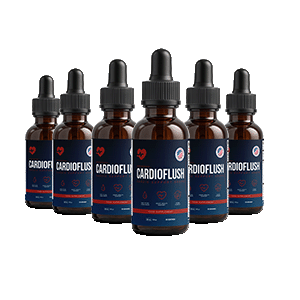
- Category Dietary supplement — not a drug, not a medical device
- Format Capsules; the manufacturer directs one capsule each morning with water
- Positioning “Natural” cardio support for everyday energy and an active lifestyle
- Manufacturing Stated to be made in a U.S.-based, FDA-registered, GMP facility
- Guarantee 60-day money-back guarantee, per the advertiser
- Sold by The manufacturer, direct through its own website only
Details as published by the manufacturer at the time of writing. “FDA-registered facility” refers to the manufacturing site, not to approval of the product — the FDA does not approve dietary supplements. The full ingredient label is disclosed by the manufacturer on its own website; we reproduce only what we could confirm.
What people are really looking for
The honest reason most people reach for a “cardio support” supplement is a feeling. They want more everyday energy, to feel lighter and more active, to get through the day without flagging. That is a completely reasonable thing to want — and it is worth being clear-eyed about where that feeling actually comes from. For the vast majority of people, the things that most reliably shift how active and energetic they feel are the unglamorous basics: moving regularly, eating mostly whole foods, sleeping well, and easing stress. A supplement can only ever sit alongside those, never replace them.
Whether any specific product adds something on top is a fair question, and an honest answer is: it depends on the person, and subjective “feel-good” impressions are easily influenced by expectation. That is not a reason to dismiss a product out of hand; it is a reason to keep expectations realistic and to judge it by how you actually feel over a fair trial, not by the marketing around it.
What the manufacturer says — and what we could not verify
The advertiser's materials attribute the formula to a physician and to a traditional preparation, and describe favourable impressions among people who have used it. We were unable to locate an independent, peer-reviewed clinical trial of this specific product in any journal or trial registry, and we could not verify individual accounts. Two things are worth holding on to: a personal impression is not evidence, and a story about a tradition is not a study of a product. We report the claims because the advertiser makes them, not because we could confirm them.
The manufacturer states that the product is sold directly through its own website, with a 60-day money-back guarantee. Pricing, shipping, guarantee terms and refunds are set and administered by the manufacturer and shown on its site — not here.
Considerations before trying it
- Dietary supplements are not required to prove they work before being sold, and they are not a substitute for a healthy routine or for medical care.
- If you take any medication, are pregnant or nursing, or have a health condition, talk to your doctor or pharmacist before adding any supplement.
- Do not use a supplement as a reason to skip the basics — movement, food, sleep — that do the real work.
- Not intended for anyone under 18.
- Individual impressions vary, and some people notice nothing at all.
- Judge it over a fair, honest trial by how you feel — and use the money-back guarantee if it does nothing for you.
Reasonable to say
- Simple once-a-day capsule with a stated satisfaction guarantee
- Sold direct, with a defined return window per the advertiser
- Marketed honestly as general support, to sit alongside a healthy routine
- Manufacturer states production in a registered, GMP facility
Not reasonable to say
- That it treats, cures or prevents any disease or condition
- That it can replace movement, a good diet and sleep
- That it has been proven in a published clinical trial of this product
- That any particular result is guaranteed for everyone
Bottom line
CardioFlush is a once-daily supplement sold into the broad “cardio support” category, where what people are chasing is a feeling of energy and being active — and where that feeling is built mostly on daily habits, not a bottle. If you want to try it, that is a legitimate personal choice; go in understanding that it can, at best, complement a healthy routine, keep the basics in place, check with a professional if any of the cautions above apply to you, and lean on the money-back guarantee if it does not deliver for you. The foundation described earlier on this page is where the real work happens.
References for this section
- Piercy, K. L., et al. (2018). “The Physical Activity Guidelines for Americans.” JAMA, 320(19), 2020–2028.
- World Health Organization (2020). WHO Guidelines on Physical Activity and Sedentary Behaviour. Geneva: WHO.
- Lichtenstein, A. H., et al. (2021). “2021 Dietary Guidance to Improve Cardiovascular Health: a scientific statement from the American Heart Association.” Circulation, 144(23), e472–e487.
- St-Onge, M.-P., et al. (2016). “Sleep duration and quality: impact on lifestyle behaviors and cardiometabolic health.” Circulation, 134(18), e367–e386.
These references describe general healthy-living habits discussed above. None of them studied this product, and citing them is not an endorsement of it by the authors or journals.
Building your own routine
People who manage to make habits stick tend to start small and specific rather than sweeping. Before you try to change everything, it helps to get honest about where you are now. Jot down, on a single page:
- Movement. How active a normal week actually is, and how much of the day is spent sitting.
- Food. The pattern you eat most days — where it is already good, and where it leans on processed or fast food.
- Sleep. How many hours you usually get, and whether your schedule is regular.
- Recovery. Your stress levels and what, if anything, helps you unwind.
- The one change. A single small habit you could realistically keep for a month.
Questions worth asking a professional
If you decide to make a meaningful change, a short conversation with a doctor, pharmacist or registered dietitian is worth it. Some questions people find useful:
- Given my situation, which one or two habits would make the biggest difference?
- Is there anything I should be careful about before increasing my activity?
- Are there any interactions I should know about before taking a supplement with my medication?
- What is a realistic, sustainable pace of change for me?
- How will I know whether a change is actually helping?
If a product or programme promises a fast, dramatic transformation, that is a reason for caution, not excitement — durable change is almost always gradual.
Where to find reliable information
Independent, non-commercial organisations publish free, trustworthy guidance on healthy living. We have no affiliation with any of them and receive nothing from listing them:
- American Heart Association — Healthy Living, general guidance on movement, food and everyday heart health (US).
- National Heart, Lung, and Blood Institute — Heart-Healthy Living (US).
- World Health Organization — Physical Activity, global activity guidance.
- Nutrition.gov, government resources on everyday healthy eating (US).
Support matters more than it sounds. Building habits is a long game of small, repeated choices, and most people do better with a professional, a friend or a community than they do alone. Looking after sleep, stress and the practical side of daily life is part of the picture, not an optional extra.
Sources
- Piercy, K. L., et al. (2018). “The Physical Activity Guidelines for Americans.” JAMA, 320(19), 2020–2028.
- World Health Organization (2020). WHO Guidelines on Physical Activity and Sedentary Behaviour. Geneva: WHO.
- Lichtenstein, A. H., et al. (2021). “2021 Dietary Guidance to Improve Cardiovascular Health.” Circulation, 144(23), e472–e487.
- St-Onge, M.-P., et al. (2016). “Sleep duration and quality: impact on lifestyle behaviors and cardiometabolic health.” Circulation, 134(18), e367–e386.
Sources are listed to show where the general healthy-living statements on this page come from. They describe everyday habits in the scientific literature; they do not evaluate any commercial product, and nothing here should be read as an endorsement by the cited authors or journals.
Advertising disclosure. This page carries paid placement. The section labelled “Sponsored content” is an advertisement and contains affiliate links; if you click through and make a purchase, we may receive a commission at no additional cost to you. Compensation does not change the quiz, the educational article or the sources cited, and we do not accept payment to remove stated limitations or criticism from a product write-up.
General information only. The content on this page is general wellness information and education. It is not medical advice, it does not create a doctor–patient relationship, and it is not a substitute for consultation with a qualified professional. The self-check on this page does not assess or diagnose anything. Always seek the advice of your physician or another qualified provider with any questions about your health, and never disregard professional advice or delay seeking it because of something you read here.
Supplement disclaimer. These statements have not been evaluated by the Food and Drug Administration. Any product referenced is a dietary supplement and is not intended to diagnose, treat, cure or prevent any disease. Individual results vary and are not guaranteed. Do not use as a substitute for a healthy lifestyle or for prescribed treatment, and speak with a professional before starting any supplement if you take medication or have a health condition.
If you feel unwell. This page is about everyday habits, not symptoms. If you feel unwell or have any health concern, please contact a qualified healthcare professional. If you have chest pain, difficulty breathing or another emergency, seek urgent medical care.
Editorial note. Nothing on this page is presented as a promise of a specific result. This page contains no before-and-after claims and no guaranteed outcomes. Product images are supplied by the advertiser.